Exhibitions
PERIGEE ARTIST #41 서해영
순수 조각
2026.10.07. WED ~
2026.11.21. SAT
조각이 가닿는 자리
신승오(페리지갤러리 디렉터)
서해영은 조각을 조형 언어로 다루고 있으며, 더 나아가 어떻게 조각이 만들어지는가에 관심이 있다. 그는 조각의 창작 과정을 살피는 연구를 통해 조각의 본질을 드러내려는 시도를 지속적으로 해오고 있다. 여기에 더해 예술적 행위와 자기 삶이 어떻게 연결되어 가는지를 살펴보는 것을 또 다른 작업의 테제로 삼고 있다. 이번 전시는 《순수 조각》이라는 제목을 가지고 있다. 여기서 우리가 읽어야 하는 것은 순수란 무엇을 의미하고, 조각과 어떻게 연결되는지에 대한 관계성이다. 먼저 ‘조각’에서 시작해 보자. 앞에서 언급했듯이 그는 지속적으로 조각에 대한 본질에 다가서기 위해 작업을 진행해 왔다. 그것은 눈앞의 대상을 재현하는 문제에서부터 출발한다. 첫 개인전인 《산에서 조각하기》를 통해 조각하기 위한 도구를 가방에 넣고 산을 올라 저편으로 보이는 산봉우리를 조각하는 과정을 영상으로 담았다. 그리고 그 과정에서 발생한 것들과 그 결과물인 산 조각을 전시하였다. 이는 조각의 과정을 드러내는 동시에 실제의 대상을 보고 실시간으로 재현할 가능성에 관한 이야기이다. 이것이 형태와 모양만을 볼 수 있는 원경을 대상으로 한 조각이었다면, 이후의 《거리 초상조각 프로젝트》는 처음 만나는 사람의 두상을 한정된 시간 내에 소조의 방식으로 재현하는 작업이었다. 이와 같이 저 멀리 산 봉우리 같은 자연의 풍경을 조각하는 것은 대상과의 먼 거리로 인해 그 ....
Where Sculpture Reaches
Shin Seung Oh (Director, Perigee Gallery)
Seo Hae Young works with sculpture as a language of form-making and, going further, is interested in how sculpture comes to be made. Through research that examines the process of sculptural creation, she has continually attempted to reveal the essence of sculpture. In addition, another thesis of her work is to examine how artistic action becomes connected to her own life. This exhibition is titled To Sculpt, Purely. What we must read here is the relation between what purity means and how it connects to sculpture. Let us begin with "to sculpt." As mentioned above, she has continually carried out her work in an effort to approach the essence of sculpture. It begins with the problem of representing the object before one's eyes. In her first solo exhibition, Sculpting in a Mountain, she packed her sculpting tools in a bag, climbed a mountain, and filmed the process of sculpting a peak visible in the distance. She then exhibited both what arose in the course of that process and its result, the mountain sculpture. This reveals the process of scul....
신승오(페리지갤러리 디렉터)
서해영은 조각을 조형 언어로 다루고 있으며, 더 나아가 어떻게 조각이 만들어지는가에 관심이 있다. 그는 조각의 창작 과정을 살피는 연구를 통해 조각의 본질을 드러내려는 시도를 지속적으로 해오고 있다. 여기에 더해 예술적 행위와 자기 삶이 어떻게 연결되어 가는지를 살펴보는 것을 또 다른 작업의 테제로 삼고 있다. 이번 전시는 《순수 조각》이라는 제목을 가지고 있다. 여기서 우리가 읽어야 하는 것은 순수란 무엇을 의미하고, 조각과 어떻게 연결되는지에 대한 관계성이다. 먼저 ‘조각’에서 시작해 보자. 앞에서 언급했듯이 그는 지속적으로 조각에 대한 본질에 다가서기 위해 작업을 진행해 왔다. 그것은 눈앞의 대상을 재현하는 문제에서부터 출발한다. 첫 개인전인 《산에서 조각하기》를 통해 조각하기 위한 도구를 가방에 넣고 산을 올라 저편으로 보이는 산봉우리를 조각하는 과정을 영상으로 담았다. 그리고 그 과정에서 발생한 것들과 그 결과물인 산 조각을 전시하였다. 이는 조각의 과정을 드러내는 동시에 실제의 대상을 보고 실시간으로 재현할 가능성에 관한 이야기이다. 이것이 형태와 모양만을 볼 수 있는 원경을 대상으로 한 조각이었다면, 이후의 《거리 초상조각 프로젝트》는 처음 만나는 사람의 두상을 한정된 시간 내에 소조의 방식으로 재현하는 작업이었다. 이와 같이 저 멀리 산 봉우리 같은 자연의 풍경을 조각하는 것은 대상과의 먼 거리로 인해 그 형태만을 담을 수 있을 뿐이다. 또한 두상을 만드는 것은 한정된 시간이라는 제약이 있기에 처음 만나는 사람에 대한 정보 없이 그저 특징적인 모습을 표현할 수 있을 뿐이다. 따라서 이와 같은 작업은 결과물인 조각보다는 그것을 만들어가는 과정 그 자체가 조각일 수 있다는 개념적 접근이었다. 이후의 《조각가를 위한 생츄어리1-바위 옮기기》에서는 실제의 대상을 조각하는 문제로 다시 돌아와 커다란 바위를 재현하기 위해 그 형태의 부분을 고스란히 떠오는 작업을 하거나 《조각가를 위한 생츄어리2 -집에서 조각하기》에서는 일상적으로 살아가는 시간 속에서 조각이 언제, 어디서, 어떻게 생성되는지 탐구하는 작업을 선보였다. 간략하게 기술한 그의 작업 흐름을 보면, 그는 명확하게 조각을 구분 짓는 경계를 찾아서 그것의 본질이 무엇인지를 드러내려 하였다는 것을 알 수 있다. 위에서도 언급했듯이 그는 조각에 그에게 주어진 삶의 조건들을 대입시키는 작업을 하기도 했다. 예를 들면 조각하는 데 필요한 도구에 대한 《여성미술가를 위한 도구 만들기》 프로젝트나 여성 조각가라는 현실을 까미유 끌로델과 연관 지어 보여준 개인전 《여성 조각가를 위한 행동 풍부화》가 있다. 여기서 주목할 것은 그가 자신에게 주어진 다양한 조건들을 다층적으로 조각과 연결해 질문을 던지고 있다는 점이다. 이렇게 본다면 그의 작업은 여러 조각 프로젝트와 작가의 삶이 뒤엉켜 있는 조각 여정으로도 볼 수 있을 것이다.
그럼, 이번 전시가 어떻게 구성되었는지 살펴보자. 전시장의 양쪽에는 산과 바다를 조각한 작품이 놓여있다. 이들은 작가의 시선이 파악할 수 있는 대상이 가진 표면의 형태에만 집중하고 있으며, 앞과 뒤가 구분되는 부조로 나타난다. 이들은 작가가 실제로 그 대상을 바라보면서 만들어 낸 흙 작업을 다시 캐스팅한 것이다. 이렇게 그는 첫 개인전인 《산에서 조각하기》와 유사하게 눈앞의 대상을 재현하는 조각으로 돌아왔다. 그렇다면 이번 작업에서 우리는 어떤 차이를 발견할 수 있을까? 먼저 이번 전시는 그가 걸어온 조각가로서의 여정이 시작점으로 복귀한 것 같은 느낌을 주고 있으나 단순히 원래의 모습을 되찾으려는 원점 회귀의 태도로 보면 안 된다. 그가 다시 재현을 선택한 것은 처음의 ‘나’와는 달라질 수밖에 없는 지금 여기와의 차이를 되짚으며 작가의 경험이 축적된 지점을 연결하기 위한 새로운 시도이다. 다시 말하면 지금까지 달라진 ‘나’와 ‘나’, ‘나’와 조각, 조각과 조각 사이의 거리를 인식하며, 변화된 의미와 감각의 차이를 살피는 것이다. 이런 방식은 그가 쌓아가고 있는 경험이 응축된 지금 할 수 있는 조각을 만드는 기본적인 조건이 된다. 그리고 그는 이전과 유사한 작업 방식을 취하지만 작가의 과거에서부터 현재의 시간이 한꺼번에 스며든 전혀 다른 조각으로 나타날 것을 믿고 있다. 그렇다면 그 차이는 무엇에 기인하는 것일까? 여기에서 차이는 ‘순수’라는 표현과 연결해 보아야 한다. ‘순수’는 문자 그대로의 의미보다는 그것에 담긴 다층적 의미를 파악할 때 조각과 연결될 수 있을 것이다. 그는 순수하게 조각을 사랑하고 있으며, 조각가로서 조각의 경계를 탐험하고 있다. 그렇지만 이것은 조각을 통해 한 사람으로서 자기 삶의 경계를 아슬아슬하게 더듬어 나가는 일로도 볼 수도 있을 것이다. 이는 작가가 천착하고 있는 삶과 연결된 조각과의 관계성을 지속적으로 탐구하는 이유이기도 하다. 이와 같은 조각과 개인의 삶이 서로 맞닿아 있는 보이지 않는 그 지점을 명확하게 밝히고자 하는 행위는 작가의 원초적이면서도 ‘순수’한 열망에 기인하는 것이 아니었을까?
《순수 조각》에서 조각의 순수함은 다음과 같은 작업 태도에서 찾아볼 수 있다. 그는 실제의 풍경을 보고 재현하지만, 완벽하게 사실적으로 묘사하지 않는다. 눈에 보이는 작업의 대상이 조각으로 치환되는 과정에서 생략과 변형이 있을 수밖에 없지만, 그렇다고 해서 과장되게 표현하려 하지 않았다. 예를 들면 눈으로 인식되지 않는 그 너머를 표현하기보다는 눈이 닿는 표면에 집중하는 것과 같이 자신이 감각의 범위를 벗어나지 않는다. 그저 그는 담백하고 진솔하게 대상을 마주하고 조각하는 행위에 몰입하고자 했다. 이전 작업이 명확한 계획을 바탕으로 어떤 의미를 도출하기 위한 것이었다면, 《순수 조각》은 어떤 의미를 섣불리 규정짓기보다는 최대한 그것을 유보하는 방식으로 진행되었다. 그래서 이번 전시에서는 어떤 담론적인 개념이나 작가의 개인적인 감정과 같은 것이 특성으로 도드라지지 않은 채 온전히 서해영이라는 존재와 조각이라는 행위만이 남는다. 그것은 조각이 보여주는 무언의 순수성에 대한 의식과 무의식이 뒤섞인 채 그저 대상을 보고 손을 움직여 흙을 붙이고, 떼어내고, 다듬고, 다시 깎아내는 행위이다. 그 행위의 결과는 캐스팅을 통해 고정된 존재로 제시하는 전형적인 조각으로 전시되고 있다. 그렇기에 우리는 결과물인 조각과 과정 사이를 상상해 보아야 한다. 조각이 만들어지는 과정을 상상해 보면 작가는 때로는 육체적으로 힘들고, 정신적으로 불안하기도 했을 것이며, 즐겁고 충만한 감정을 느끼기도 했을 것이다. 그리고 많은 사람과 함께 있거나 혼자서 고립되는 상황 속에서도 조각에 집중했을 것이고, 조각을 떠올리지 않을 때도 그는 조각을 찾아 헤매었을 것이다. 이처럼 작가가 이야기하는 ‘순수’는 조각이라는 결과물이 아니라 조각이 만들어지는 조각적 행위와 그로 인해 나타난 존재가 연결되는 순간 반응하여 나오는 의미에서 찾아볼 수 있다. 그렇다면 ‘순수 조각’은 어디에 가닿는가?
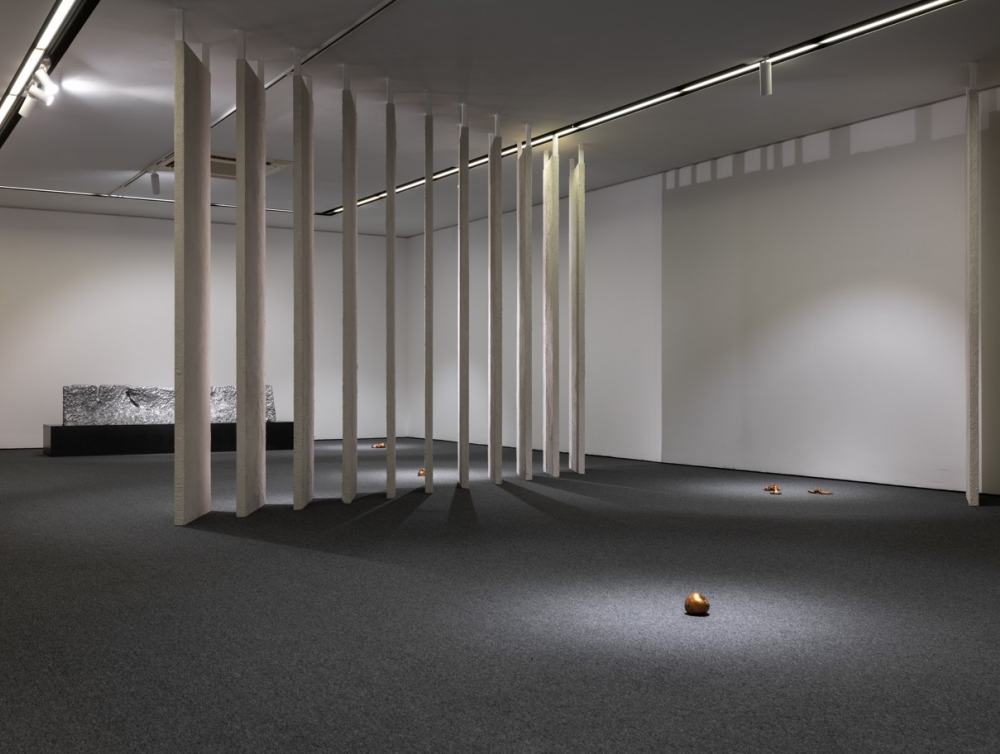
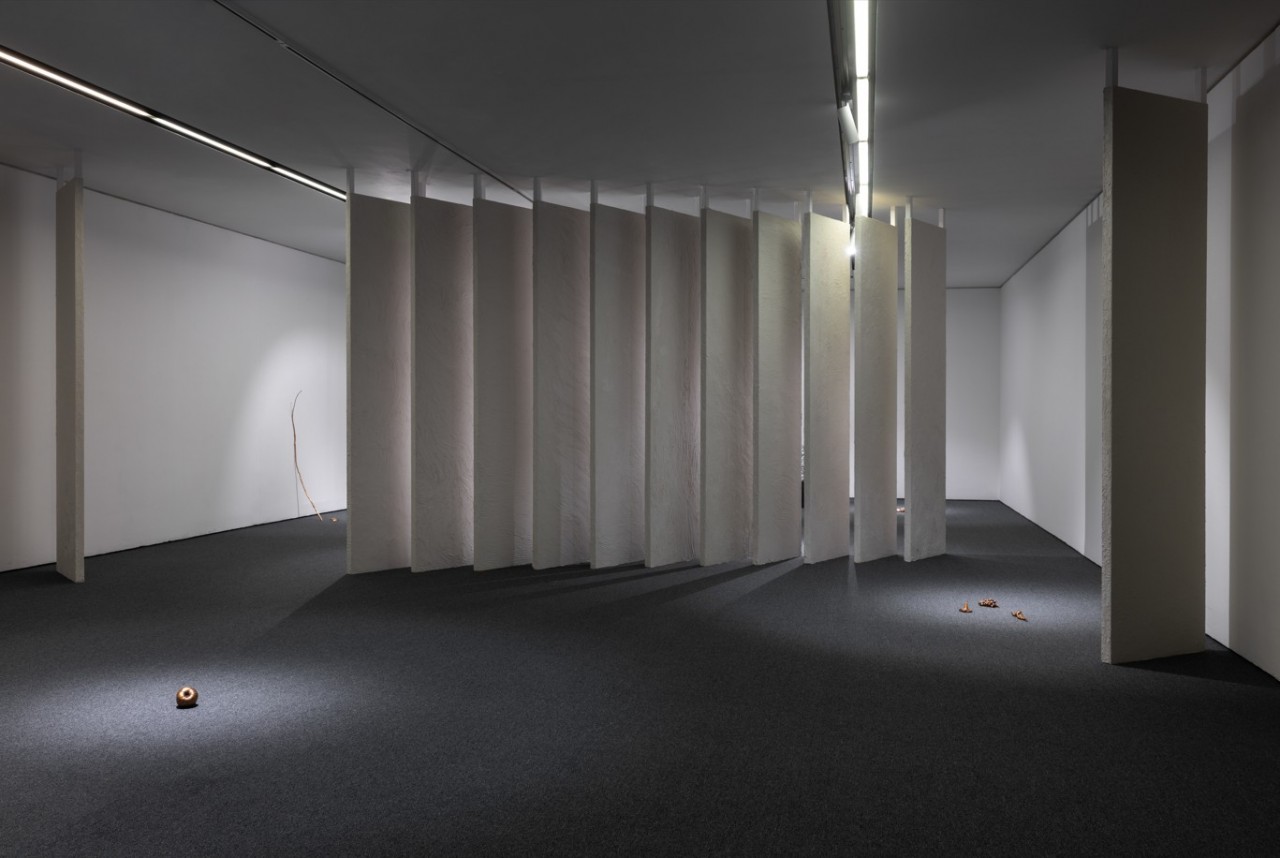
이를 살필 수 있는 것이 산과 바다 사이에 놓인 안개를 조각한 작업이다. 어느 순간 작가는 조각이 ‘나’와 내가 보는 대상 사이에 존재하는 것임을 인식하게 되었다. 무엇인가를 재현하기 위해서는 그 대상을 응시해야 한다. 그렇지만 작업에 몰입하는 순간 눈앞에 존재하는 대상은 어느새 사라지고 손으로 만들고 있는 존재에 모든 감각이 집중된다. 따라서 작가가 만든 안개와 같이 조각은 어느 순간 갑자기 나와 대상 사이에 나타나 둘 사이의 교감을 방해하는 존재가 되기도 한다. 따라서 그는 ‘나’와 ‘대상’과 ‘조각’ 사이의 감각들을 전시장에 펼쳐 놓으려 하고 있다. 어떻게 보면 그것은 ‘나’의 감각이 가진 한계이자 조각이 가진 태생적 결핍일 수도 있다. 그러나 작가는 그 결핍을 다른 방식으로 채우려 하기보다는 그것을 저항 없이 그대로 받아들여 수용하기로 한다. 이것은 억지로 어떤 불리한 조건을 극복하는 것이 아니라 오히려 자기 내면과 외부의 대상 사이에서 조각하는 행위가 교차하는 순간적 선택에 기대는 것이다. 또한 이는 조각에서 온전히 담겨 드러나는 것이 아니라 이들을 연결하는 존재, 이미지, 수행적 태도의 관계성에 의해 나타나는 모든 것을 의미한다. 이런 관계성은 안개와 같이 ‘나’와 그 ‘대상’ 사이에 통과 가능하고, 불투명하고, 무엇인가를 가리는 성질을 가지지만, 물성을 가진 조각으로 재현된다. 그렇기에 안개 조각은 작가가 재현하는 조각을 구성하는 모든 구성 요소를 한자리에 호출하는 동시에 그가 찾아 나섰지만 아직도 닿지 못한 조각의 본질이 그 속에서 불현듯 나타나길 바라는 우연을 투영하고 있는 것일지도 모른다. 이를 달리 표현하자면 이번 전시에서 나타나는 거리감 같은 것이다. 전시장 곳곳에 놓인 청동으로 만들어진 작은 조각은 《조각가를 위한 생츄어리2 -집에서 조각하기》에서처럼 나와 가까운 거리에 언제나 발견할 수 있고, 모든 것을 꼼꼼하게 훑어볼 수 있는 사물들이다. 그렇지만 바다와 산과 달리 언제나 접촉하고 관찰할 수 있다고 해서 온전히 조각으로 그것을 재현할 수 있을까? 작가는 대상과의 거리감을 통해 자연스럽게 차이가 드러날 수밖에 없는 사물과 조각 사이의 단차를 계속해서 의식하고 있다. 아무리 꼼꼼하게 관찰하고 재현해도 조각은 그것과는 또 다른 존재이다. 그는 이와 같은 당연한 사실을 강조하기 위해 상대적 관계성을 전시장에 구현한다. 산과 바다, 안개 같은 개별적 존재에서부터 앞과 뒤, 높고 낮음, 멀고 가까움, 크고 작음, 소조와 캐스팅, 좌대의 유무와 같이 재료와 구성 방식 등등 전시에서 발견하고 연결할 수 있는 조각의 여러 관계성을 드러내고 있다. 그래서 우리가 그의 조각을 읽어내기 위해서는 각자의 시선을 통해 관계성을 유발하는 요소들을 인식하면서 곱씹어 볼 필요가 있다. 그러다 보면 ‘나’의 시선을 중심으로 ‘작가’와 작가가 본 ‘대상’ 그리고 그들 사이에서 만들어진 ‘조각’의 존재를 각자의 방식으로 이어 나가는 하나의 별자리를 완성할 수 있게 될 것이다. 어쩌면 이렇게 생성되는 별자리야말로 작가가 가닿고자 하는 조각일지도 모르겠다.
《순수 조각》에서 우리는 전시장에 조각이 있다는 사실, 조각으로 존재한다는 것, 조각을 창조한다는 것을 작가에게 바로 대입해 볼 수 있을 것이다. 그것은 삶이 있다는 사실, 하나의 몸으로 존재한다는 것, 한 인간으로 성숙해 가고 있다는 점이다. 이처럼 이번 전시는 작가의 삶이 재현하려는 대상을 조각하는 행위가 과정이자 결과로 조각이라는 존재에 스며든 그 관계성을 의미한다. 이는 조각에 대한 작가의 이성적 계획과 함께하는 애착과 반감, 사랑과 증오, 흥미와 지루함과 같은 감정적 요소가 뒤섞인 여정을 재현하는 것이기도 하다. 한편으로 《순수 조각》을 보는 관객에게는 조각이라는 창작 활동을 하기 위해 꾸준히 살아온 모든 시간과 경험이 만들어 낸 요소들의 관계성을 인식하는 일이 된다. 그렇기에 이 관계에 우리의 시선이 끼어들 여지가 충분히 남아 있다. 그러나 작가의 여정은 아직 완결된 이야기가 아니다. 그는 여전히 조각으로 가닿지 못한 무언가를 욕망하고 있다. 결국 서해영이 말하는 ‘순수 조각’은 구체적 대상을 지칭하는 것이 아니라 순수와 조각의 관계성을 바라보는 작가의 태도와 함께 만들어진 조각을 보고 새로운 관계를 만들어 내는 존재인 관객이 만들어가는 전시가 된다. 이런 의미에서 그의 조각은 순수하다. 그것과의 거리가 좁혀질 듯 좁혀지지 않고 닿을 듯 아직 가닿지 못한 ‘조각이라는 이름을 가진 존재’로서 말이다.
Shin Seung Oh (Director, Perigee Gallery)
Seo Hae Young works with sculpture as a language of form-making and, going further, is interested in how sculpture comes to be made. Through research that examines the process of sculptural creation, she has continually attempted to reveal the essence of sculpture. In addition, another thesis of her work is to examine how artistic action becomes connected to her own life. This exhibition is titled To Sculpt, Purely. What we must read here is the relation between what purity means and how it connects to sculpture. Let us begin with "to sculpt." As mentioned above, she has continually carried out her work in an effort to approach the essence of sculpture. It begins with the problem of representing the object before one's eyes. In her first solo exhibition, Sculpting in a Mountain, she packed her sculpting tools in a bag, climbed a mountain, and filmed the process of sculpting a peak visible in the distance. She then exhibited both what arose in the course of that process and its result, the mountain sculpture. This reveals the process of sculpting while at the same time raising the possibility of representing an actual object in real time, as one looks at it. If this was a sculpture whose object was a distant view in which only form and shape could be seen, her later Street Portrait Sculpture Project – Would You Be My Model? was a work that represented, by modeling, the head of a person she was meeting for the first time, within a limited span of time. In this way, sculpting a natural landscape such as a distant mountain peak can capture only its form, owing to the great distance from the object. Likewise, making a head is constrained by limited time, so that, with no prior knowledge of a sitter met for the first time, only characteristic features can be expressed. Such work was therefore a conceptual approach in which the process of making, rather than the finished sculpture, could itself be sculpture. In the subsequent Sanctuary for a Sculptor 1 – Moving a Rock, she returned to the problem of sculpting an actual object, taking a mold of a portion of a large rock's form intact in order to represent it. And in Sanctuary for a Sculptor 2 – Sculpting at Home, she presented a work that explored when, where, and how sculpture comes into being within the ordinary time of daily life. Looking at this brief account of the flow of her work, we can see that she has sought to find the boundary that clearly demarcates sculpture, in order to reveal what its essence is. As noted above, she has also made work that transposes the conditions of the life given to her into sculpture. Examples include the project Making Tools for Female Artists, concerned with the tools needed for sculpting, and the solo exhibition Enrichment for Women Sculptors, which showed the reality of being a woman sculptor in connection with Camille Claudel. What is notable here is that Seo Hae Young poses questions by connecting the various conditions given to her, on multiple levels, to sculpture. Looked at this way, her work can be seen as a sculptural journey in which numerous sculpture projects and her own life are entangled.
Let us, then, look at how this exhibition is composed. On either side of the exhibition space are works in which mountain and sea have been sculpted. These focus solely on the surface form of the object as it is grasped by her gaze, and appear as reliefs in which front and back are distinguished. They are castings of clay works she made while actually looking at the object. In this way, she has returned to sculpture that represents the object before her eyes, similarly to her first solo exhibition, Sculpting in a Mountain. What difference, then, can we find in this new work? This exhibition first gives the impression that the path she has walked as a sculptor has returned to its starting point, but it should not be seen as a simple return to origins, an attempt to recover an original state. Her choice to take up representation again is a new attempt. It retraces the difference between the here and now—inevitably different from the initial "I"—and connects the points at which her experience has accumulated. In other words, it is a matter of recognizing the distance between the "I" as it has changed and the "I" as it was, between "I" and sculpture, and between sculpture and sculpture, while examining the difference in the meaning and sensation that have changed. This approach becomes the basic condition for the sculpture she is able to make now, one in which the experience she has been accumulating is condensed. And though she takes up much the same working method as before, she believes it will emerge as an entirely different sculpture, one into which the time from her past to her present has permeated all at once. What, then, does that difference derive from? Here, the difference must be connected to the expression "purity." "Purity" can be connected to sculpture not by its literal meaning but by grasping the multilayered meaning it holds. She loves sculpting purely and, as a sculptor, explores the boundaries of sculpture. But this can also be seen as the precarious act of groping, through sculpting, along the boundary of her own life as a person. This is also the reason she continually explores a relation she has long been absorbed in: the relation between sculpture and the life to which it is connected. Might this act—the attempt to clearly reveal the invisible point at which sculpture and an individual's life touch one another—not derive from her primal, and yet "pure," longing?
In the exhibition To Sculpt, Purely, the purity of the act of sculpting can be found in the following attitude toward the work. She looks at the actual landscape and represents it, but does not depict it with complete realism. In the process by which the visible object of her work is translated into sculpture, omission and transformation are inevitable, but even so, she does not try to exaggerate it. She does not step outside the range of her own senses—focusing, for instance, on the surface her eyes reach rather than representing what lies beyond visual perception. She simply seeks to face the object plainly and honestly, and to immerse herself in the act of sculpting. Whereas her earlier work was aimed at drawing out a certain meaning on the basis of a clear plan, To Sculpt, Purely proceeded in a manner that held meaning in reserve as much as possible, rather than hastily defining it. And so, in this exhibition, no discursive concept or her own personal emotion stands out as a defining trait; what remains, wholly, are only the being called Seo Hae Young and the act of sculpting. It is an act in which consciousness and unconsciousness are intermingled around the wordless purity that sculpture reveals: simply looking at the object and moving one's hands—adding clay, taking it away, smoothing it, and carving it down again. The result of that act is exhibited as a typical sculpture, presented, through casting, as a being now fixed. For this reason, we must imagine the space between the finished sculpture and the process behind it. If we imagine the process by which the sculpture was made, she must at times have been physically exhausted and mentally uneasy, and at other times have felt joyful and fulfilled. And whether surrounded by many people or isolated alone, she must have remained focused on sculpting, and even when not consciously thinking of it, she must have gone on searching for it. The "purity" she speaks of, then, is to be found not in the finished sculpture, but in the meaning that arises in response at the moment when the sculptural act of making and the being that emerges from it are connected. Where, then, does this pure act of sculpting arrive?
What allows us to examine this is the work in which she sculpts the fog lying between the mountain and the sea. At a certain moment, she came to recognize that sculpture exists between the "I" and the object "I" see. To represent something, one must gaze at that object. Yet the moment one becomes absorbed in the work, the object present before one's eyes disappears at some point, unnoticed, and all sensation concentrates on the being that the hands are making. Sculpture, then, like the fog she has made, can also become a being that suddenly appears between the "I" and the object at a certain moment, obstructing the communion between the two. She is thus attempting to lay out, within the exhibition space, the sensations that occur between "I," the "object," and "sculpture." In one sense, this may be both a limit of "my" senses and a deficiency inherent to sculpture's very nature. But rather than trying to fill that deficiency in some other way, she chooses to accept it as it is, without resistance. This is not a forced overcoming of some disadvantageous condition, but rather a reliance on the momentary choice at which the act of sculpting intersects between her own interior and the object outside her. This also refers to everything that emerges not as something wholly contained and revealed within the sculpture itself, but through the relationality of the being, image, and performative attitude that connect these. This relationality, like fog, possesses a quality that is permeable, opaque, and obscuring, situated between "I" and the "object," yet is represented as a sculpture that has physical materiality. The fog sculpture may therefore summon in a single place every component that constitutes the sculpture she represents. At the same time, it may project the chance hope that the essence of sculpture—which she has been seeking but has yet to reach—might suddenly appear within it. To put this another way, it is something like the sense of distance that appears throughout this exhibition. The small bronze sculptures placed throughout the exhibition space are, as in Sanctuary for a Sculptor 2 – Sculpting at Home, objects that can always be found close to "me" and examined in every detail. But unlike the sea and the mountain, does the fact that they can always be touched and observed mean they can be fully represented as sculpture? She remains continually conscious of the gap between an object and its sculpture—a gap that is bound to reveal itself naturally through the sense of distance from the object. No matter how meticulously one observes and represents, sculpture remains a different being from the object itself. To underscore this self-evident fact, she gives relative relationality concrete form within the exhibition space. She reveals the many relationalities of sculpture that can be discovered and connected within the exhibition: from individual beings such as mountain, sea, and fog, to front and back, high and low, far and near, large and small, modeling and casting, the presence or absence of a pedestal, and other matters of material and composition. To read her sculpture, then, we need to ponder it, recognizing through our own respective gazes the elements that give rise to relationality. In doing so, each of us will come to complete, in our own way, a single constellation that links the "artist," the "object" the artist saw, and the being of the "sculpture" made between them, all centered on "my" own gaze. Perhaps this constellation, generated in just this way, is precisely the sculpture she seeks to reach.
In the exhibition To Sculpt, Purely, we can directly transpose, onto Seo Hae Young herself, the fact that sculpture exists in the exhibition space, the state of existing as sculpture, and the act of creating sculpture. That is: the fact that life exists, the state of existing as a single body, and the fact of maturing as a human being. In this way, this exhibition signifies the relationality in which the act of sculpting—sculpting the object that her life seeks to represent—has permeated, as both process and result, into the being called sculpture. It also represents a journey in which emotional elements—attachment and aversion, love and hatred, interest and boredom—are intermingled with her rational plan for sculpture. For the viewer looking at To Sculpt, Purely, meanwhile, it becomes an act of recognizing the relationality among the elements produced by all the time and experience the artist has steadily lived through in order to carry out the creative activity of sculpting. For this reason, ample room remains for our own gaze to enter into this relation. But her journey is not yet a completed story. She still desires something that sculpture has not yet reached. In the end, the pure act of sculpting Seo Hae Young speaks of does not designate a concrete object; rather, it becomes an exhibition made jointly by two things: her attitude toward the relation between purity and sculpture, and the viewer, the being who looks at the sculpture thus made and forges a new relation from it. In this sense, her sculpture is pure. As a "being that bears the name sculpture"—its distance seeming to narrow yet never narrowing, seeming about to be reached yet still unreached.
 서해영 개인전《 순수 조각》전시 전경 _사진 | 아인아 아카이브
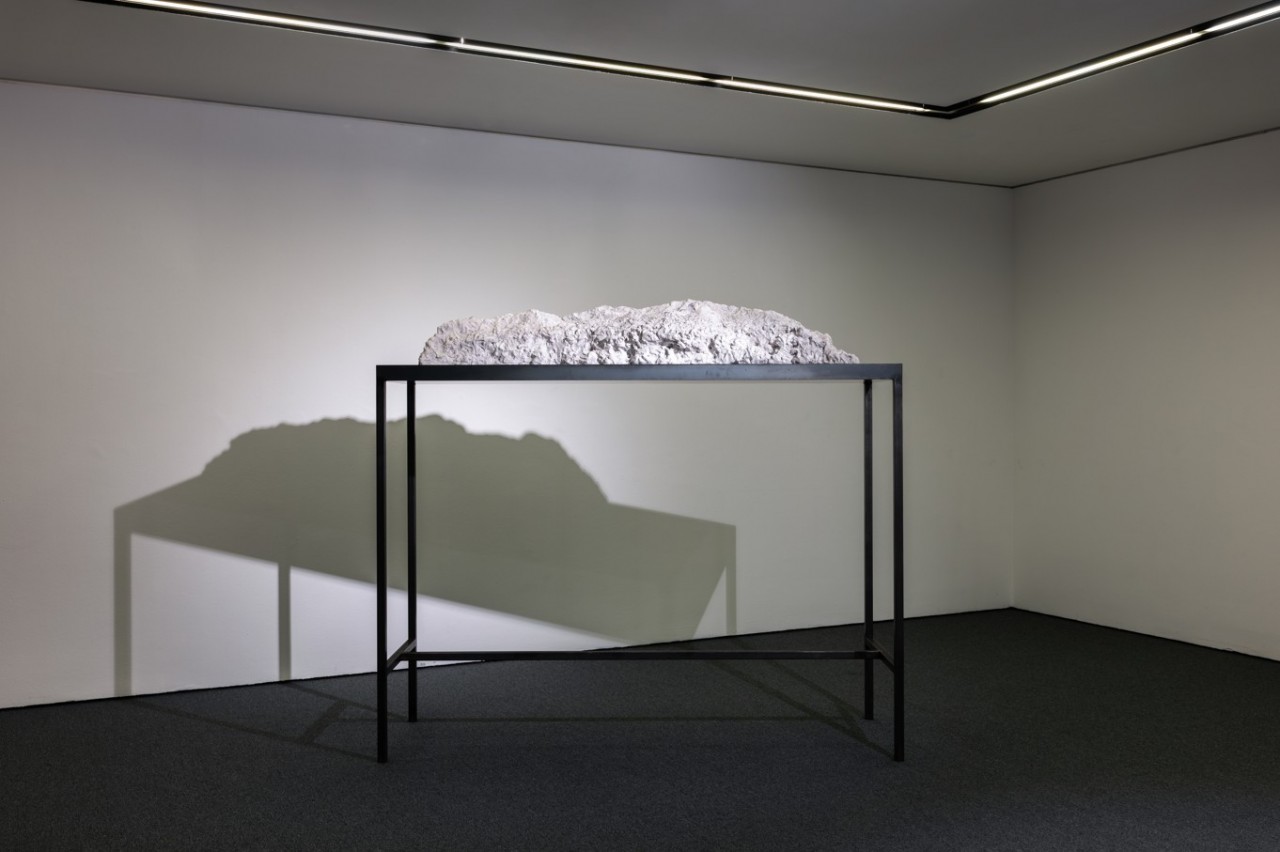 서해영, 산, 2026, 석고, 157x25x24(h)cm
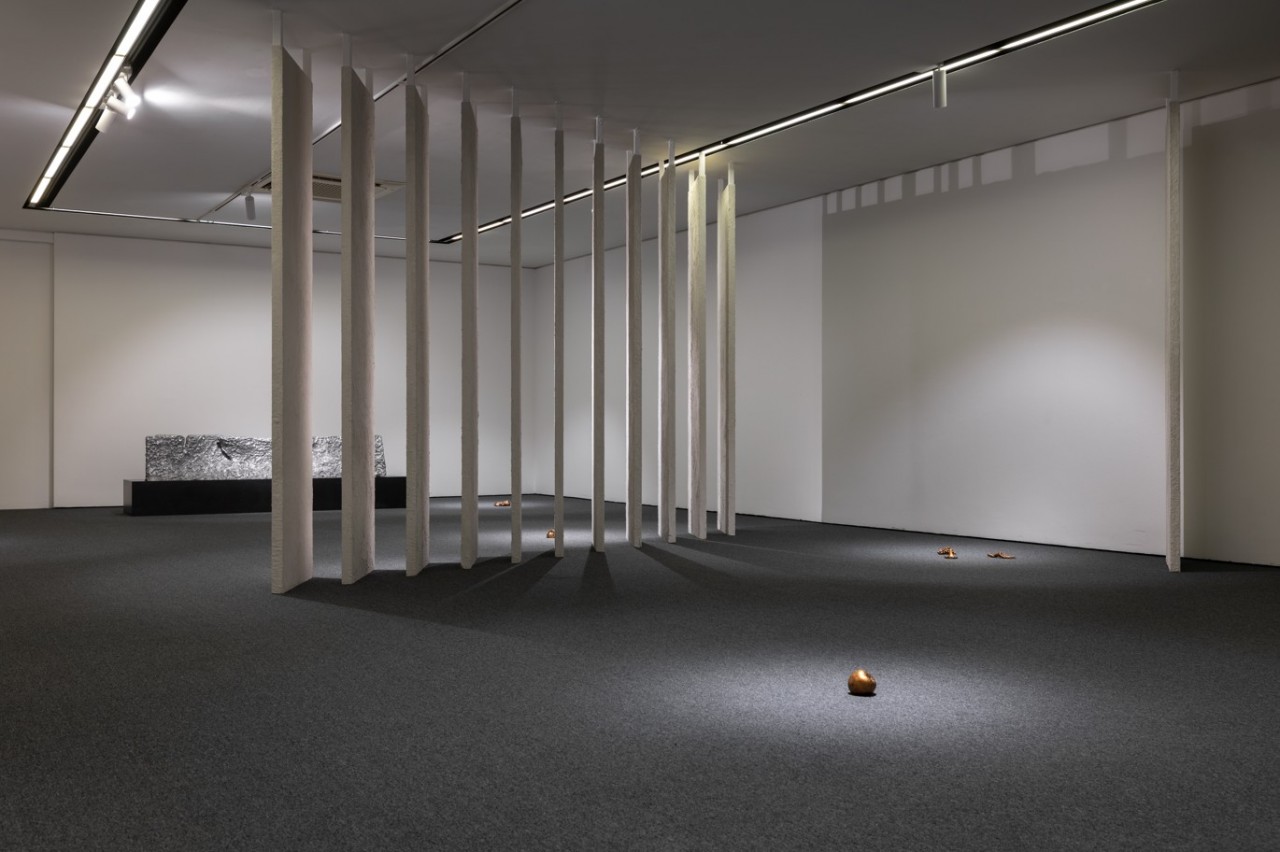 서해영 개인전《 순수 조각》전시 전경 _사진 | 아인아 아카이브
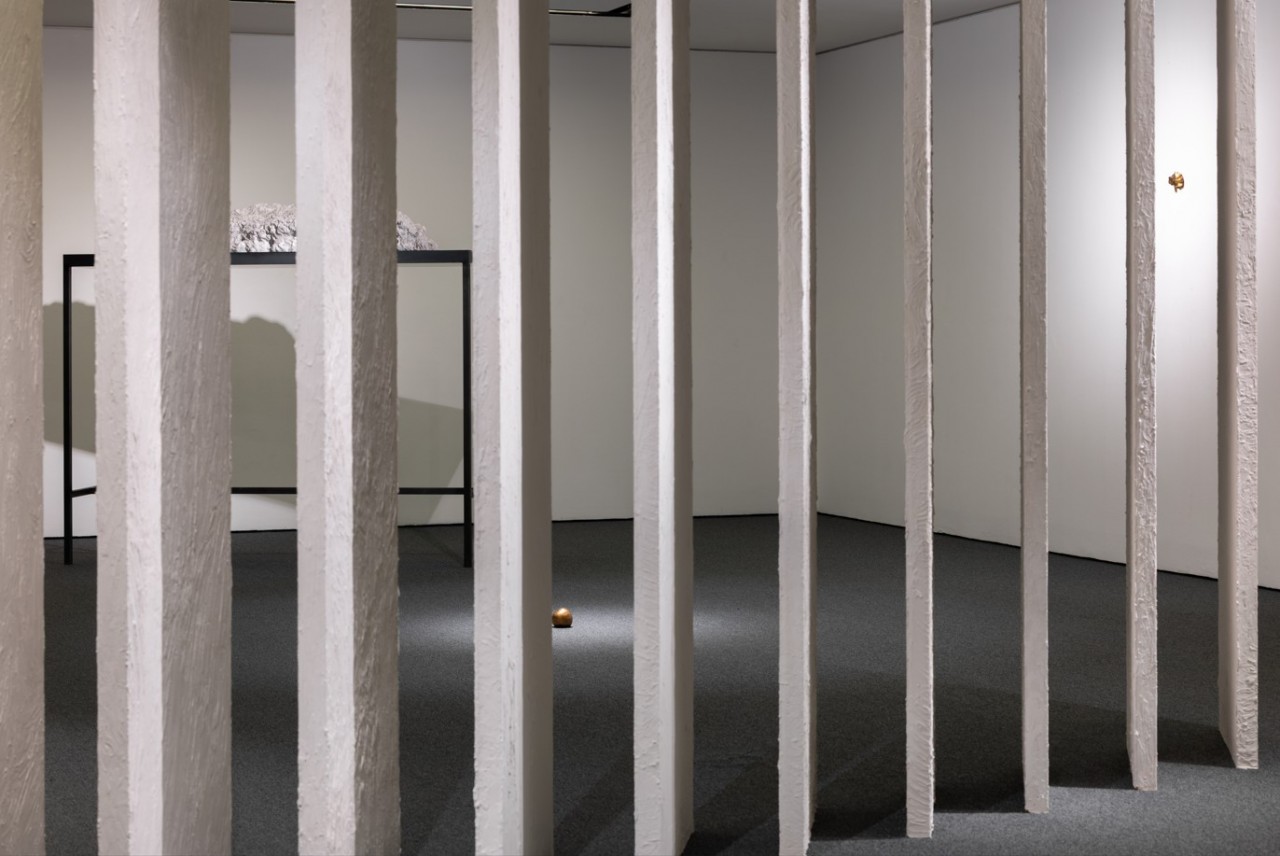 서해영 개인전《 순수 조각》전시 전경 _사진 | 아인아 아카이브
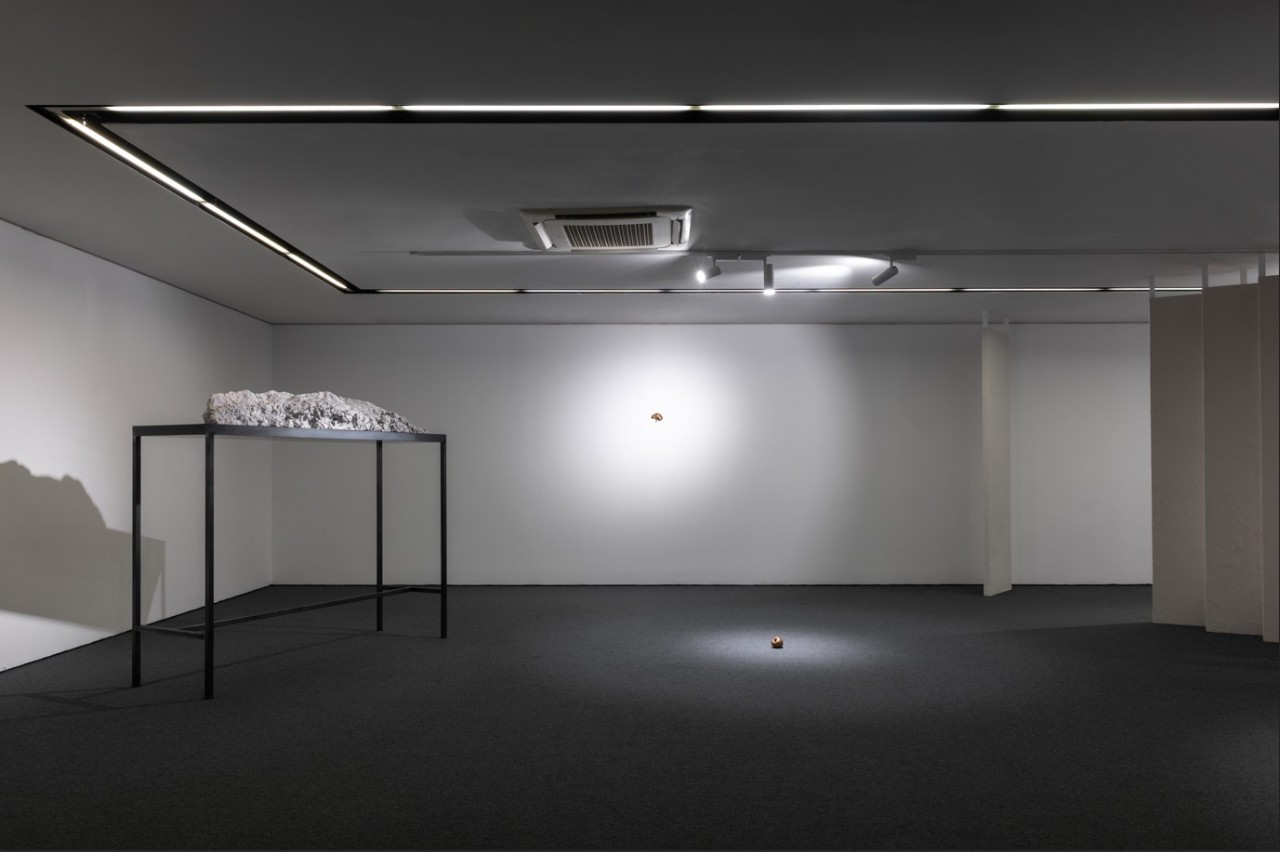 서해영 개인전《 순수 조각》전시 전경 _사진 | 아인아 아카이브
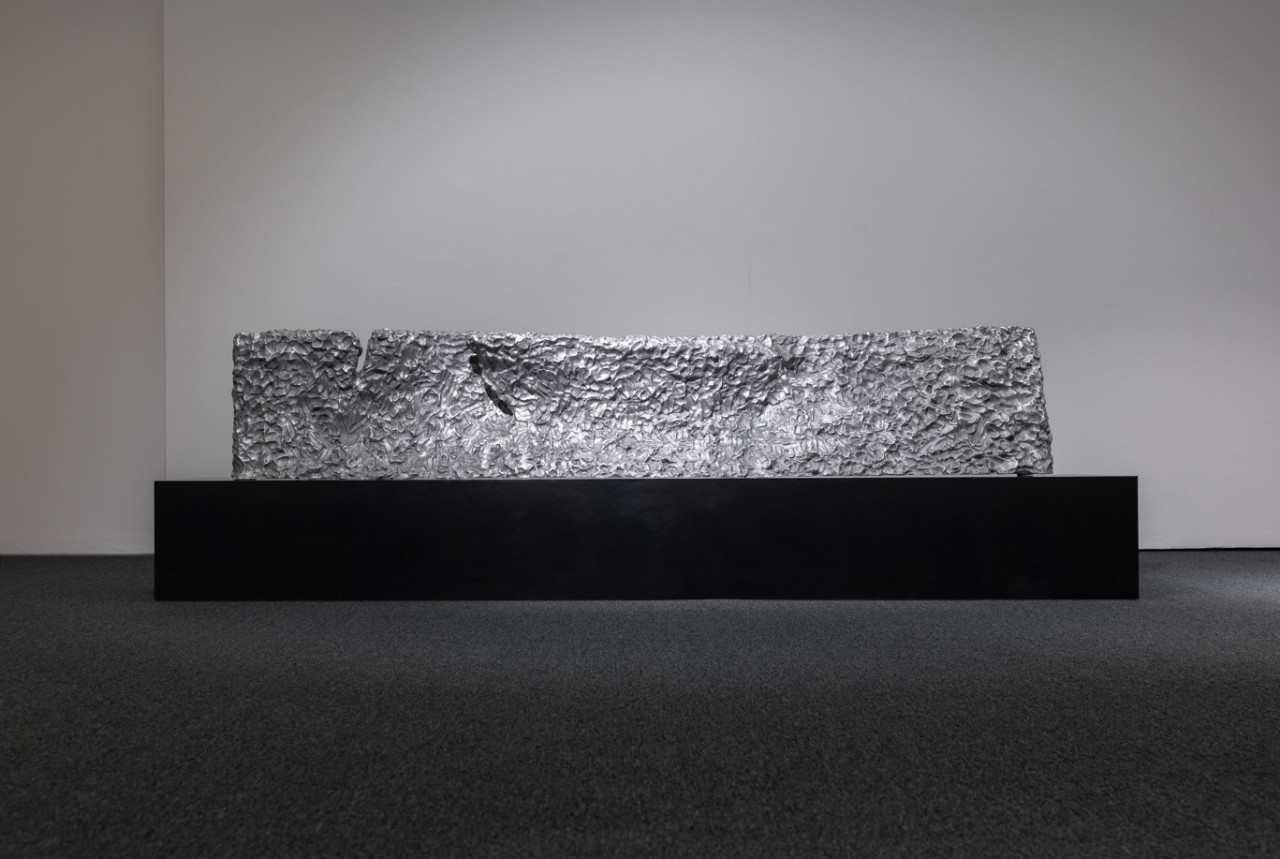 서해영, 바다, 2026, 알루미늄, 215x23x40(h)cm
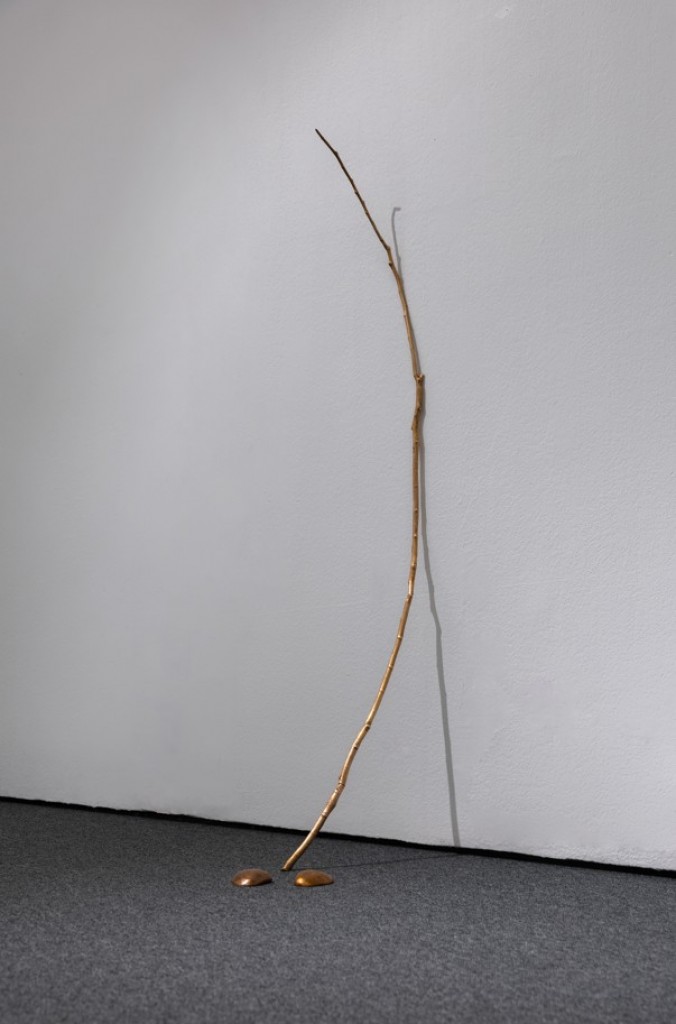 서해영 개인전《 순수 조각》전시 전경 _사진 | 아인아 아카이브
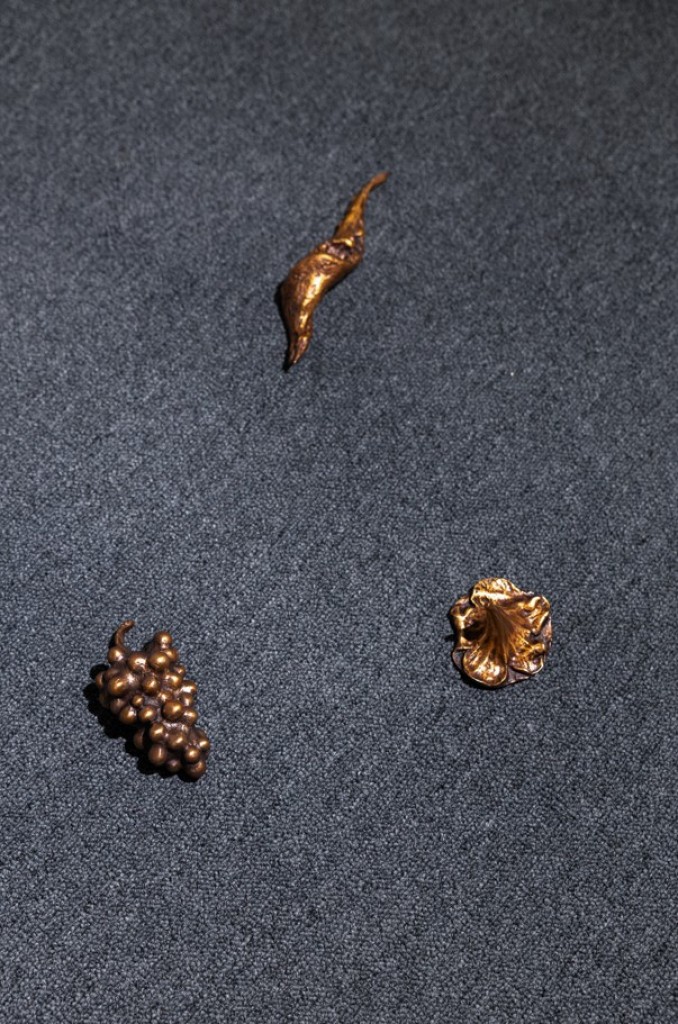 서해영 개인전《 순수 조각》전시 전경 _사진 | 아인아 아카이브